Apple
Leadership Communications Presentation Design
Designer — Narrative Structure, Visual System, Speaker Script | 2026
Designed a narrative-driven onboarding presentation centered around introducing a hardware engineering leader to new employees.
The brief called for both introduction and inspiration, but I wanted the experience to feel more human and emotionally grounded. A new hire doesn’t just need to understand who a leader is. They need to understand how that person thinks, why the work matters, and what it means to join at a particular moment in time.
Rather than approaching the project as a slide deck, I approached it as a narrative system. The presentation moves through four core ideas: why Apple builds with intention, the responsibility that comes with shaping products at scale, the shifts happening across the industry, and why new employees are arriving at a meaningful moment for the company.
The visual language was intentionally restrained, drawing from Apple’s emphasis on clarity, rhythm, and focus. Motion, pacing, typography, and speaker scripting were used together to create a sense of momentum and emotional connection throughout the experience.
The goal was not only to inform new employees, but to leave them with a clearer understanding of the culture, expectations, and sense of purpose behind the work.
The Deck
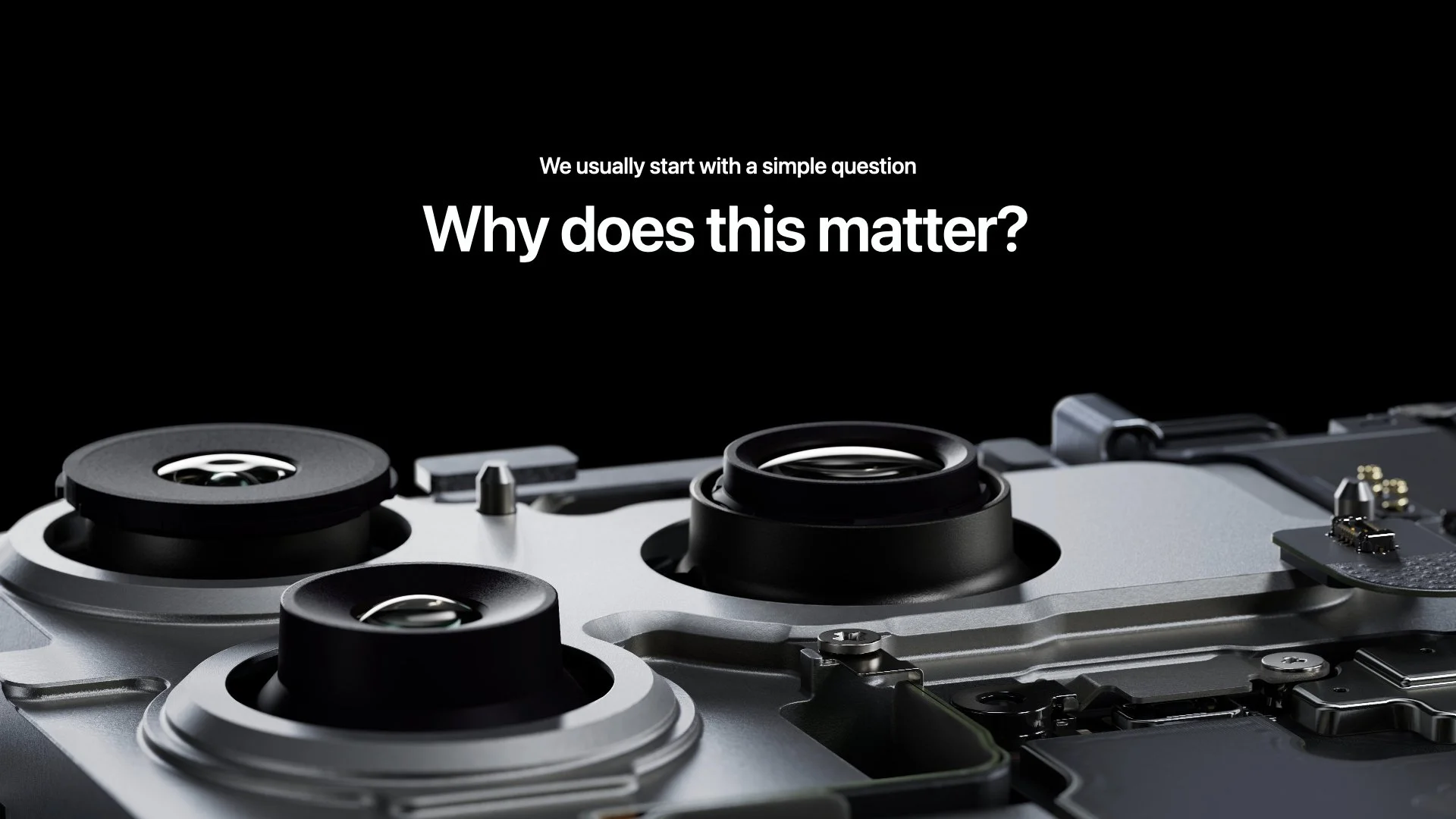
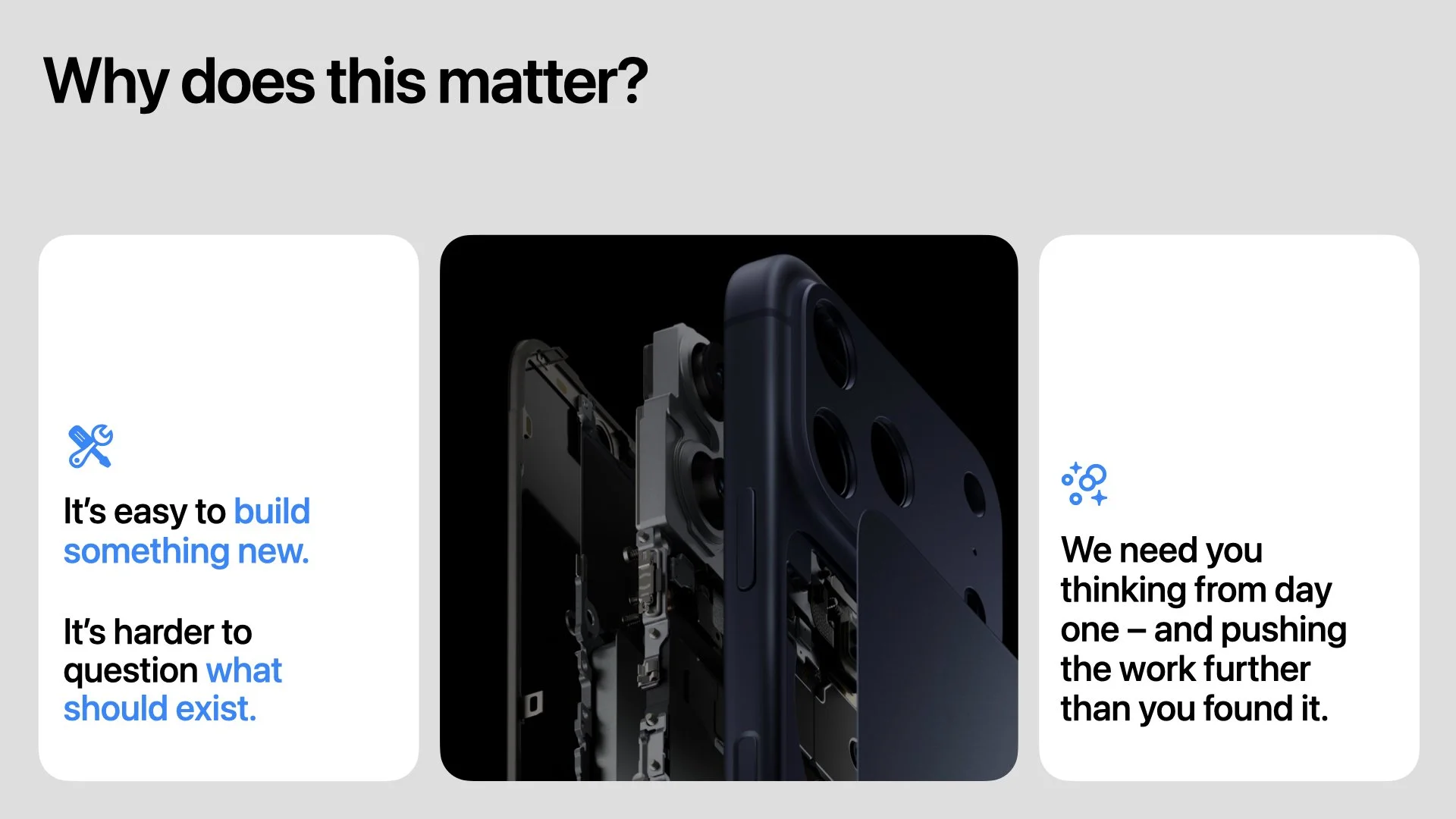
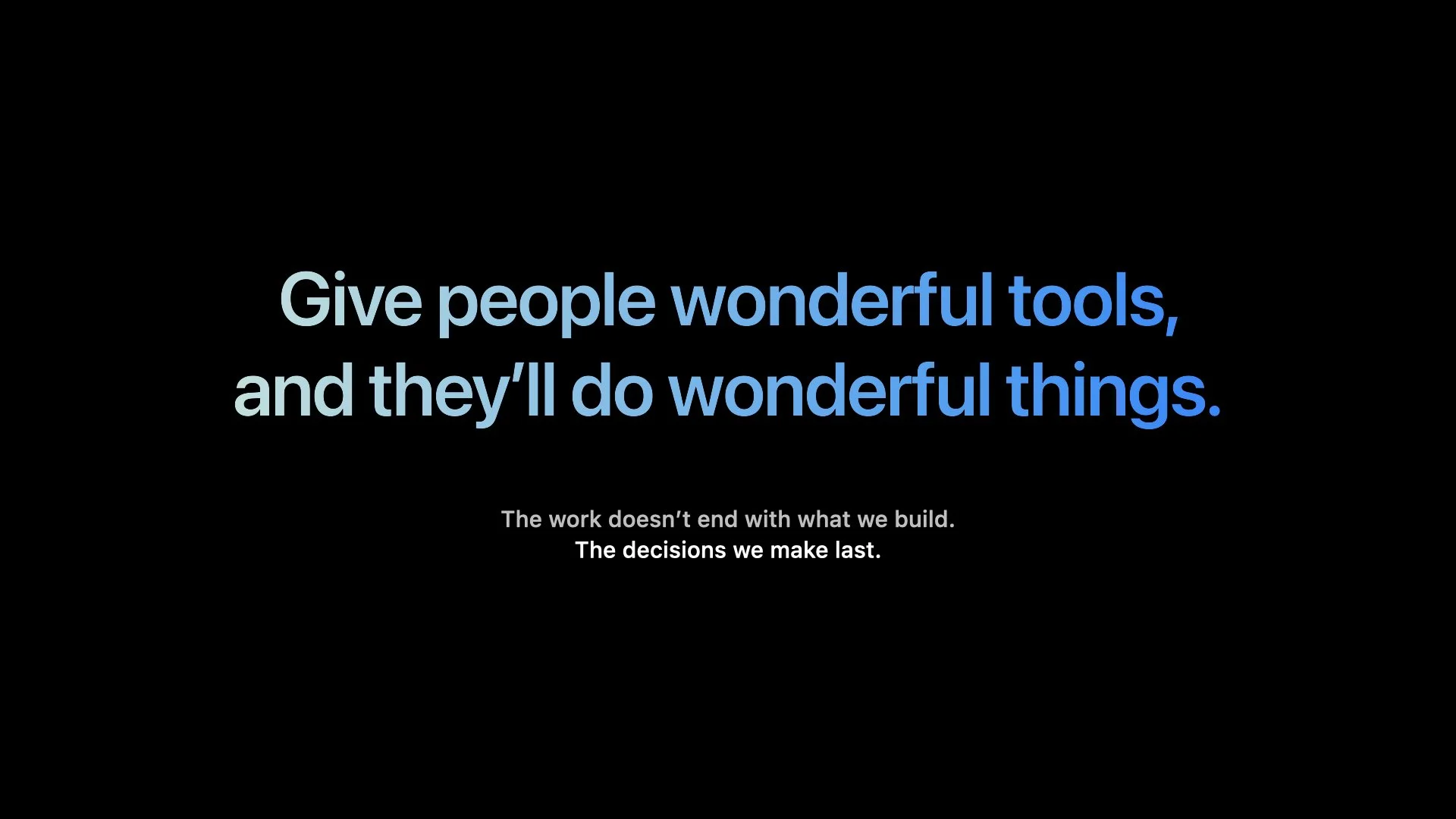
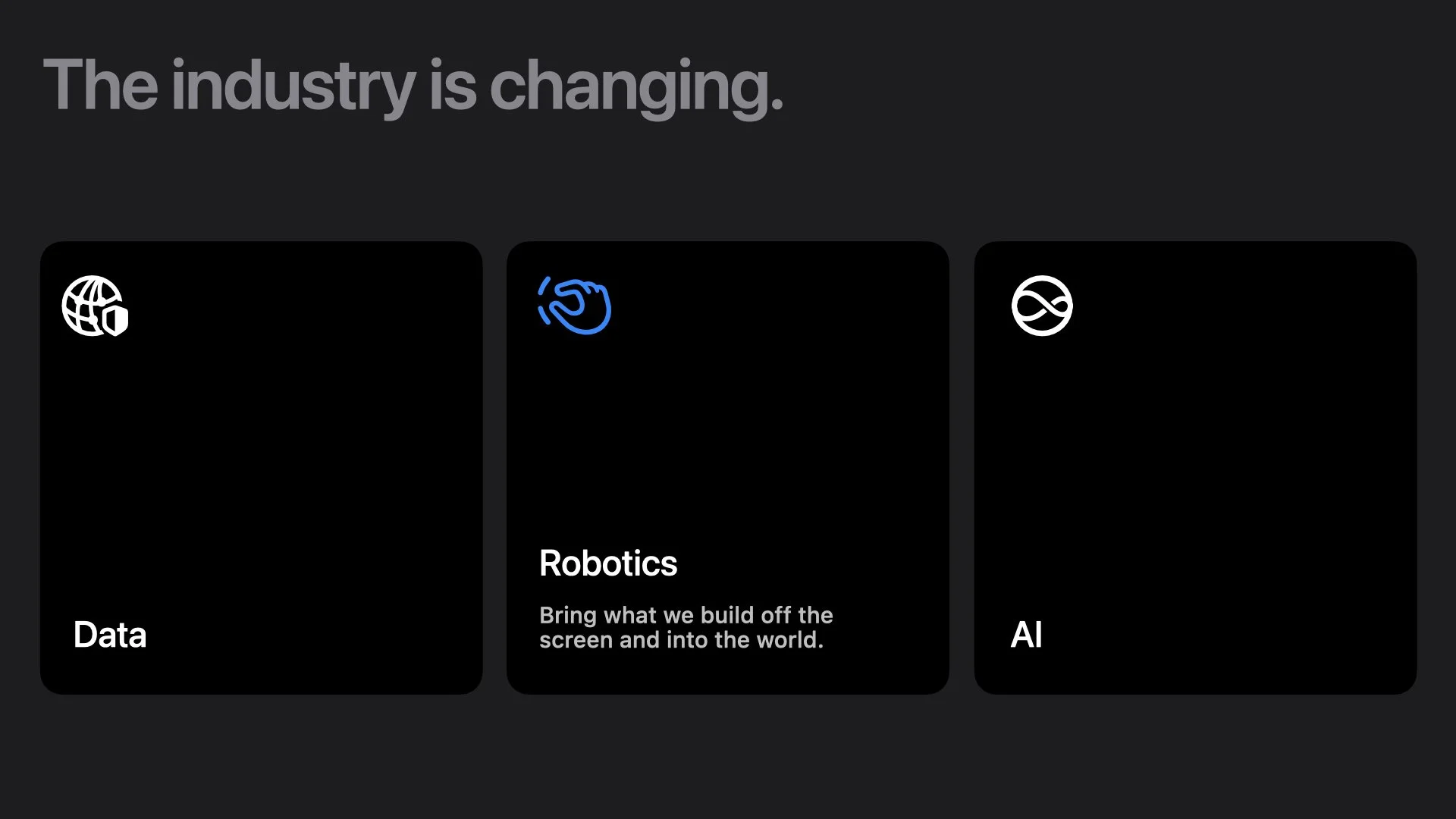
The presentation spans six sections: Welcome, Introduction, Why It Matters, Apple's Purpose, The Industry Is Changing, and a Closing Call to Action. Dark full-bleed slides carry the big statement moments. Light slides hold the detail.
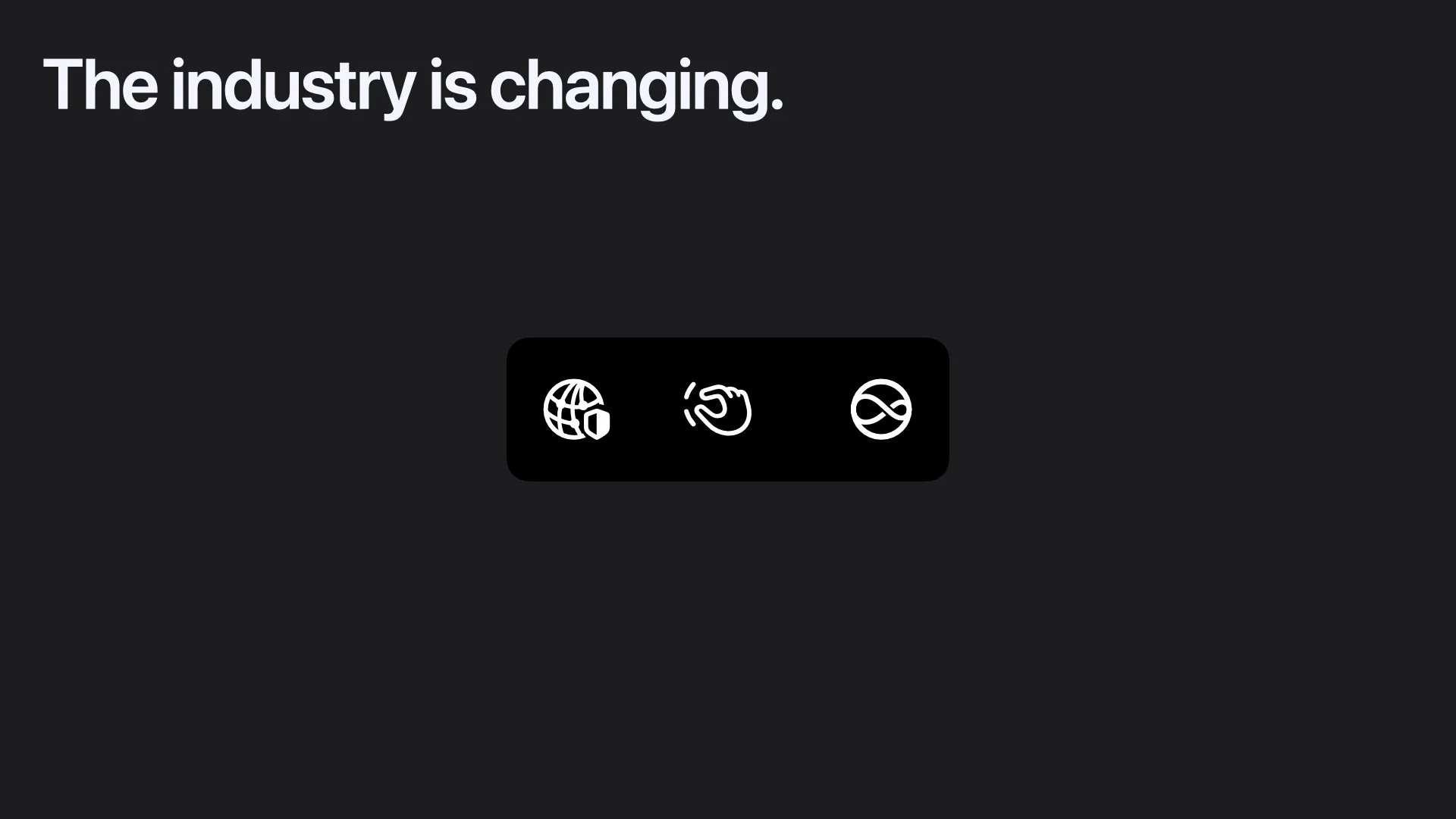
The introduction leads with a single line that sets Nia's philosophy before she introduces herself — 'Better questions build better things.' The purpose section is anchored by a Steve Jobs quote that reflects how Apple thinks about its relationship with the people who use its products. The industry slide uses a single repeated element, the dot, arranged differently for each category to show how Data disperses, Robotics expands, and AI converges.
Built in Keynote with motion used sparingly to support clarity rather than decoration.


The Outcome
The design challenge advanced through multiple rounds of review, reaching the final leadership interview stage at Apple. The work was evaluated across both visual and narrative dimensions by Apple's Hardware Engineering communications team. The goal was never just to look like Apple — it was to think like Apple.